
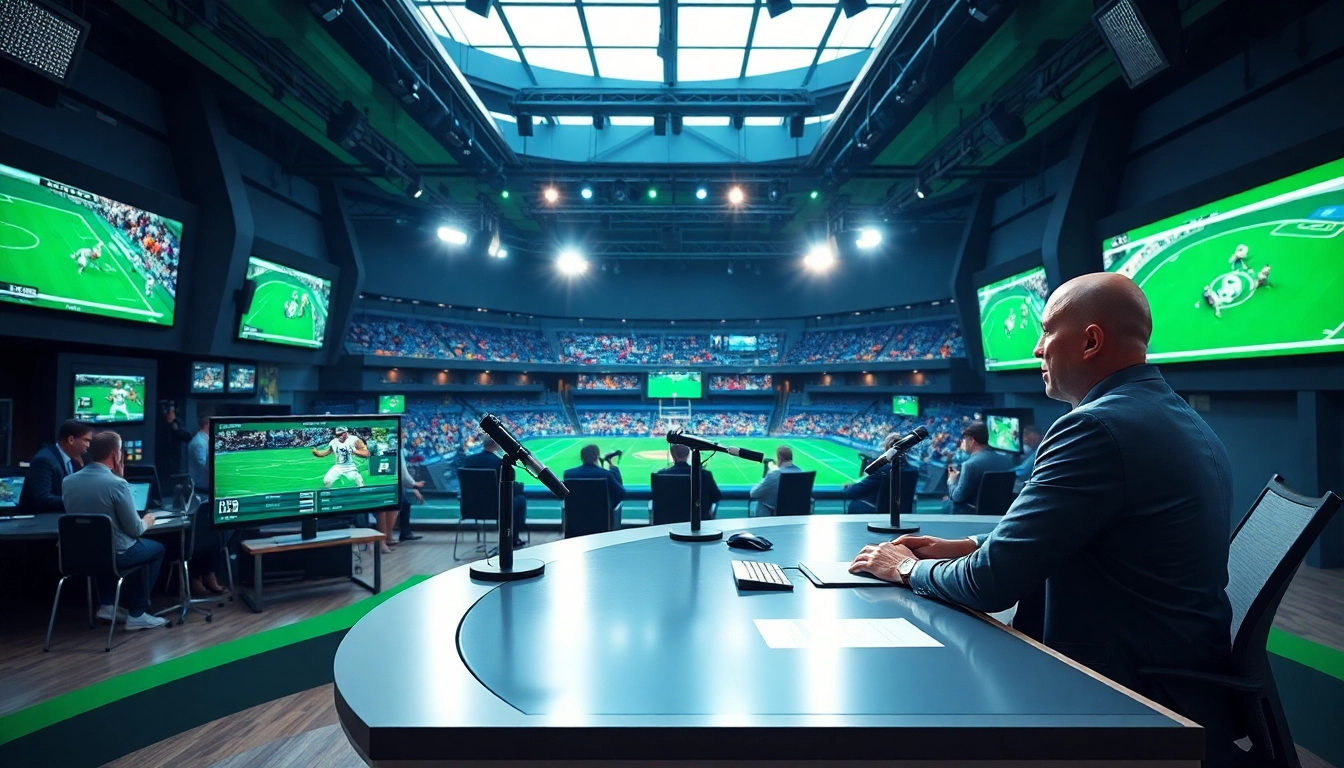
The Fundamentals of Sports Broadcasting
Understanding the Role of Sports Broadcasters
In the high-energy world of sports, broadcasters serve as the essential link between the event and the audience. They deliver live coverage that not only encompasses the action on the field but also enriches the experience of viewers at home. A sports broadcaster's main responsibilities include providing commentary, analyzing plays, and presenting relevant statistics that enhance viewer understanding and enjoyment. Whether they're narrating a nail-biting finish in football or discussing strategic plays in basketball, these professionals need a strong grasp of the sport’s nuances and wide-ranging knowledge of its history.
Moreover, the role of broadcasters extends beyond merely delivering the game; they are storytellers, weaving narratives that capture the emotions of both the players and fans. They participate in pre-game shows, halftime analysis, and post-game coverage, forming an essential part of a sports event's ecosystem. Effective broadcasters can influence how a game is perceived, establish emotional connections with audiences, and enhance overall viewer engagement, making their role crucial in the realm of Sports Broadcasting.
Key Equipment Used in Sports Broadcasting
The backbone of sports broadcasting lies in the sophisticated equipment that enables high-quality production. Broadcasters rely on a mix of hardware and software tools to ensure seamless coverage. At the forefront of this equipment are cameras and microphones specifically designed for capturing fast-paced action and providing crisp audio. High-definition cameras, slow-motion replays, and drone coverage create dynamic visuals that enhance the story being told.
Microphones are also critical. From handheld mics for interviews to lapel mics for sideline reporters, these devices are tuned to capture commentary and ambient sounds uniquely. Advanced audio processing tools help to mix multiple audio sources, ensuring that viewers hear every cheer from the crowd and every nuance of the commentary.
In addition, broadcasting trucks are equipped with significant technology, including video switching equipment, audio mixers, and graphics generators to put together the final output that viewers will see. Software for graphics and overlays creates visually engaging statistics during the live broadcast, keeping viewers informed.
Basics of Live Coverage and Commentary
Delivering live coverage requires meticulous preparation and instantaneous reactions. Broadcasters must develop a thorough understanding of the game and its players to provide insightful commentary. They prepare by studying statistics, game history, and player backgrounds, which enables them to offer context during key moments of a game.
During live events, broadcasters must think on their feet; situations change rapidly, and they must adapt their commentary accordingly. This involves engaging with the audience, maintaining a steady flow of information, and sometimes even managing unexpected events such as injuries or technical issues. Commentary strategies often include weaving in anecdotes, engaging storytelling, and insightful analysis focused on critical game dynamics.
Techniques for Engaging Audiences in Sports Broadcasting
Storytelling Techniques for Sports Coverage
Ultimately, successful sports broadcasting hinges on compelling storytelling. Broadcasters must paint vivid pictures that do more than relay facts—they must capture the essence of the game and its players. This can involve spotlighting key storylines, discussing player rivalries, or portraying the emotional stakes that resonate with viewers.
Developing a narrative arc encourages viewer investment. Broadcast teams may introduce “backstories” or highlight a player’s journey to shape viewers' perceptions and create emotional connections. These storytelling elements drive intrigue and retention, fostering a loyal viewer base.
Effective Use of Data and Statistics
In today’s data-driven world, the use of statistics in sports broadcasting has become more critical than ever. Broadcasters now supplement their narratives with up-to-date analytical data, elevating their storytelling capability. Advanced analytics can provide insights into player performance, team tactics, and comparative statistics that help viewers understand game dynamics on a deeper level.
Using well-crafted infographics, real-time scores, and player stats can enhance storytelling and engage audiences. This type of information not only informs but also sparks discussion among viewers. Integrating data effectively ensures that the commentary remains relevant and interesting, catering to both casual viewers and hardcore fans.
Creating Compelling Visuals in Sports Broadcasting
The visual component of sports broadcasting cannot be underestimated. High-quality visual content, including instant replays, graphics, and custom animations, are instrumental in captivating audience attention. Modern technology enables broadcasters to produce visually stunning atmospheres and dynamic overlays that illustrate crucial game factors like player matchups or in-game statistics.
Beyond real-time visuals, the aesthetic presentation plays a crucial role as well. Maintaining consistency in color schemes, logos, and graphics across different platforms ensures brand recognition and enhances professionalism. Engaging visuals not only entertain viewers but also support the commentary by providing visual evidence to back up analysis and opinions.
Strategies for Effective Sports Broadcasting
Live Event Preparation and Execution
Preparing for a live sports event is a multi-step process that ensures every angle is covered. Crucial tasks include organizing a comprehensive game plan that outlines key statistics, storylines, and player insights that will be highlighted, as well as detailed run-throughs of the broadcast logistics.
Preparation also includes rehearsals for the broadcasters to practice their delivery, coordinate with camera operators, and familiarize themselves with the broadcast equipment. Additionally, building a rapport with fellow team members promotes a seamless broadcast aligned with shared goals.
Building Rapport with Viewers
An often-overlooked aspect of sports broadcasting is building a connection with the audience. Broadcasters who maintain a friendly, conversational tone tend to resonate more with viewers. Engaging with the audience involves addressing them directly, being responsive during live interactions, and showing enthusiasm for the sport. Personal anecdotes and humor can also enhance relatability and approachability.
Encouraging viewer interaction through social media and integrating audience feedback into broadcasts enhances community building. By showcasing audience comments or questions in real-time, broadcasters create a dialogue that fosters viewer loyalty.
Incorporating Viewer Feedback and Interaction
Amplifying viewer voices during broadcasts demonstrates a commitment to audience engagement. Broadcasters can set up interactive segments where fans share their opinions, predictions, or experiences related to the game. Leveraging social media is key; broadcasters may display live tweets or comments, creating a shared viewing experience that connects fans to the action.
This not only provides entertainment value but also elevates the viewing experience, as fans see their contributions recognized. Moreover, feedback obtained can inform future broadcasts, allowing teams to refine and adapt their strategies to better meet audience expectations.
The Future of Sports Broadcasting
Emerging Technologies in Sports Broadcasting
The future of sports broadcasting is poised for transformation through an array of emerging technologies. Innovations such as virtual and augmented reality are beginning to reshape the viewer experience. VR can transport fans to immersive environments where they feel like they are part of the action, while AR can enhance live coverage with interactive graphics and displays.
Furthermore, advancements in streaming technology are facilitating greater flexibility. Fans now have the option to choose commentary teams, angles, and even experience games in ultra-high-definition or multiple viewing formats.
Trends Shaping the Industry
Several key trends are currently influencing the sports broadcasting landscape. Streaming services have started to dominate over traditional cable, prompting networks to adapt their strategies. This shift toward on-demand content allows for more innovative programming and audience-specific offerings, enabling customization that traditional broadcasting lacks.
Moreover, the increased integration of social media platforms influences how sports content is consumed. Broadcasters are leveraging platforms like Instagram and Twitter to reach a wider audience, promote engagement, and deliver content snippets that captivate potential viewers.
Understanding Audience Adaptation
As technology and viewer preferences evolve, understanding audience adaptation becomes critical. Broadcasters must keep a pulse on demographic shifts, changing consumption habits, and feedback to craft relevant content. Engaging younger audiences, in particular, necessitates employing modern formats such as short videos, podcasts, and interactive experiences that replace traditional game broadcasts.
Furthermore, data analytics plays a significant role in understanding audience behavior. Tracking viewership patterns, preferences for specific commentaries, and engagement rates helps broadcasters tailor their offerings to maximize viewership. This adaptability is critical in maintaining relevance and connection in an ever-changing media landscape.
FAQs on Sports Broadcasting
What do sports broadcasters do?
Sports broadcasters provide live commentary and analysis of sporting events, enhancing viewers' experiences by sharing insights, statistics, and narratives that enrich the broadcast.
How is live sports coverage prepared?
Preparation involves detailed research into teams, players, and statistics, along with rehearsals to align communication and logistics among the broadcasting team for a seamless experience.
What technologies are changing sports broadcasting?
Emerging technologies such as augmented reality, virtual reality, and advanced streaming techniques are reshaping how broadcasters present content, offering more interactive and immersive experiences.
How do broadcasters engage with their audience?
Broadcasters engage by maintaining a conversational tone, incorporating audience feedback, and highlighting viewer contributions through social media interactions during live events.
What is the future of sports broadcasting?
The future includes greater reliance on digital platforms, interactive content, and audience-driven experiences, all influenced by evolving technologies and changing viewer preferences.